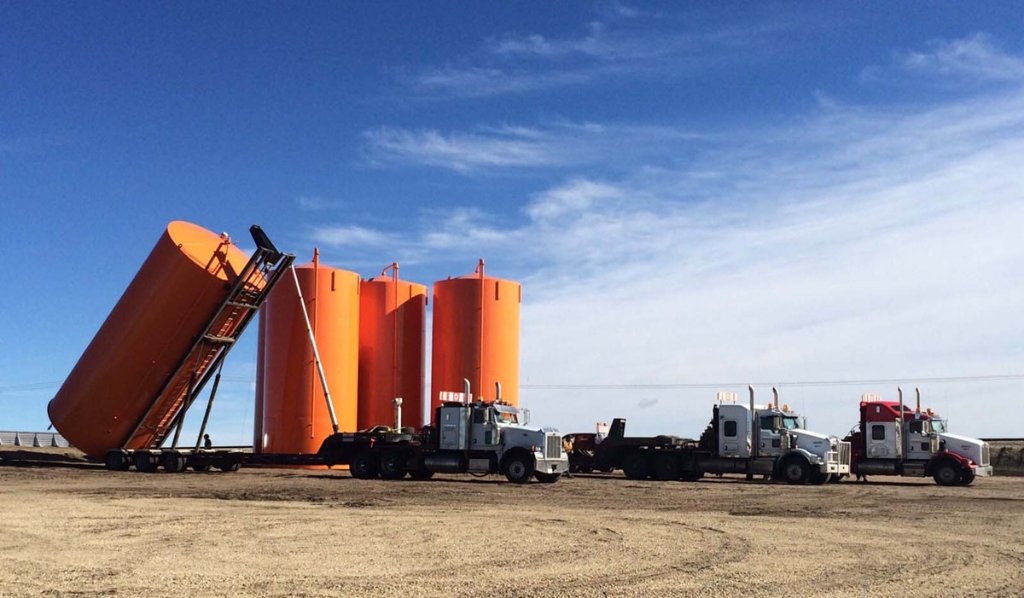
2025 Oilfield Equipment Buyer's Guide: What to Look for in Storage Tanks
Choosing the right storage tank for your operation involves more than just picking a size. Our team breaks down the key specifications, certifications, and options operators should evaluate before purchasing.
Whether you're setting up a new production facility or replacing aging infrastructure, selecting the right storage tank is a critical decision. Here's what our team recommends evaluating:
-
Capacity and Configuration Storage tanks typically range from 28 to 2,500+ BBL. Consider your daily production volumes, lease spacing, and future capacity needs. Horizontal tanks are common for smaller volumes while vertical tanks offer more efficient footprint use at larger capacities.
-
Service Classification Sweet vs. sour service is one of the most important spec decisions. Sour service tanks require specific material grades and design pressures to handle H2S safely. Always match your tank spec to your produced fluid composition.
-
Coatings and Insulation Internally coated tanks (e.g., Devoe 253) protect against corrosion and extend tank life significantly. Insulation is essential in colder climates to maintain fluid temperatures and prevent freezing — aluminum-clad or spray foam options are both commonly used.
-
Certifications Look for API 12F, API 650, or API 12D compliance depending on your application. Ensure tanks have been properly inspected and documented — especially for used equipment.
-
EnviroVault and Secondary Containment British Columbia and Alberta regulations increasingly require secondary containment. EnviroVault systems and double-wall designs provide both regulatory compliance and environmental protection.
-
New vs. Pre-Owned High-quality pre-owned tanks that have been inspected and recertified can offer significant cost savings. Inclusive Energy stocks both new and pre-owned tanks across all spec levels.
Reach out to our sales team to discuss which tank configuration is right for your next project.