Sour Service Equipment Requirements: Coatings, Materials, and Inspection Basics
Learn the essential standards for sour service oilfield equipment. Explore material requirements, coating durability, and inspection protocols for safer site operations.
In the oil and gas industry, the distinction between sweet and sour service is critical for equipment longevity and site safety. Sour service refers to environments where hydrogen sulfide (H2S) is present. Because H2S is highly corrosive and induces hydrogen-induced cracking (HIC) and sulfide stress cracking (SSC) in standard carbon steels, equipment must meet rigorous metallurgical and protective standards. Whether you are managing storage tanks with 100 to 2000 BBL capacities or utilizing separator packages and treaters, understanding these requirements is non-negotiable for operational integrity.
Material selection is the first line of defense. Equipment designed for sour service must strictly adhere to NACE MR0175/ISO 15156 standards. These standards dictate the maximum hardness levels for metallic materials to prevent brittle failure. For vessel construction, manufacturers often select steels with specific chemistry to minimize localized corrosion. When sourcing equipment like EnviroVault systems or double-walled storage tanks, confirm that the steel grade and weld procedures have been qualified for H2S exposure. This is particularly important for pressure-bearing components like firetubes and line heaters, where internal temperature fluctuations can accelerate chemical reactions.
Coatings play a vital role in extending the life of sour service assets. While the metallurgy handles the structural load, high-performance internal coatings act as a barrier against acid gas penetration. Epoxy or phenolic liners are commonly applied to the interior of frac tanks and treaters to prevent pitting. On the exterior, robust coating systems are necessary, especially when equipment is skidded or subjected to harsh weather. For components like thief hatches, which are frequent leak points, ensure that seals are made of H2S-resistant elastomers like Viton or similar fluorocarbon materials rather than standard rubber.
Operational maintenance hinges on regular inspections. For pressurized equipment like separator packages and treaters, ultrasonic thickness (UT) testing should be performed at scheduled intervals to monitor for thinning caused by sour gas corrosion. Inspections must focus on heat-affected zones near welds, which are the most common sites for stress-related cracking. Additionally, site managers should verify the integrity of insulation systems, as damaged insulation can hide external corrosion or condensation points that provide a medium for H2S to attack the vessel wall.
When choosing rental or purchase equipment, consider the design pressure and safety features. A sour service tank, whether it is a 400 BBL unit or a larger 1000 BBL model, must have proper venting systems to handle gas accumulation safely. Operating at standard atmospheric pressure—often rated in ounces—requires reliable pressure relief valves that are internally coated or made of stainless steel to prevent seizing. If you are integrating new units into an existing site, verify the equipment design pressure ratings match your facility's safety envelope.
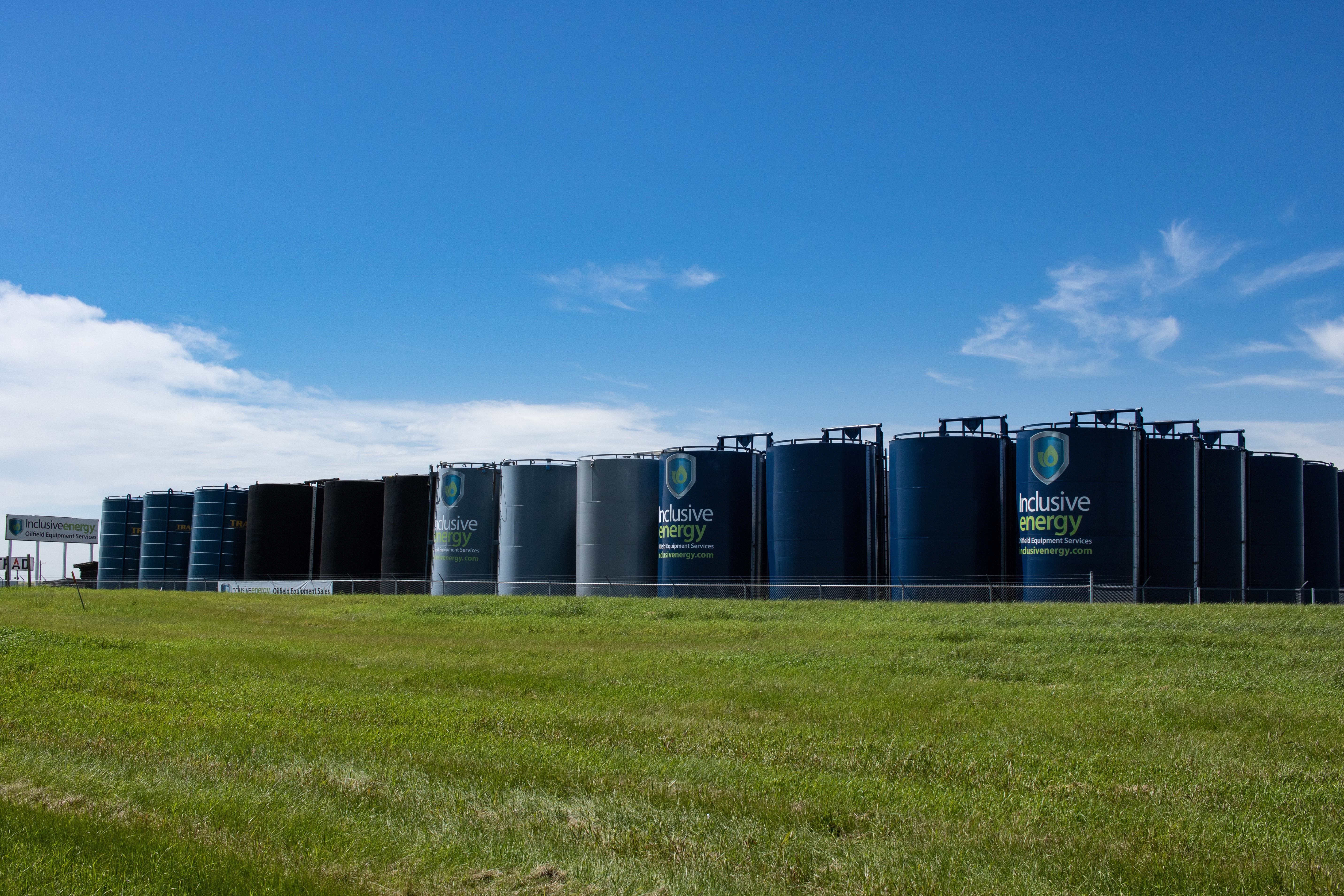
Investing in compliant sour service equipment significantly lowers the total cost of ownership by reducing downtime and catastrophic failures. Inclusive Energy Ltd. provides access to a wide array of new and used storage tanks, pumpjacks, and processing equipment that meets the rigorous demands of the North American energy sector. By prioritizing NACE-compliant materials, utilizing high-quality protective coatings, and maintaining a strict inspection cadence, operators can ensure that their equipment remains safe, productive, and reliable under even the most challenging sour gas conditions.