Optimizing Field Operations: A Guide to Separator Package Selection
Master separator package selection with our guide on 2-phase vs 3-phase units, sizing strategies, and tips to avoid common costly mistakes in oilfield operations.
In the fast-paced world of oil and gas production, the efficiency of your surface equipment directly impacts your bottom line. Selecting the right separator package is a critical decision that influences fluid quality, facility throughput, and environmental compliance. At Inclusive Energy Ltd., we understand that whether you are dealing with a new drill or a mature asset, the correct hardware ensures your operations run smoothly across North America and the Gulf.
At the core of the decision-making process is the choice between 2-phase and 3-phase separation. A 2-phase separator is designed to split the stream into two distinct components: liquid and gas. This is typically sufficient for applications where the fluid stream consists of a simple gas-liquid mix. In contrast, a 3-phase separator is engineered to split the flow into gas, oil, and water. These units are essential when your well produces a significant amount of formation water that must be treated or disposed of separately from the hydrocarbon stream.
Sizing your package correctly is the difference between a high-performing site and a bottleneck. When sizing, you must account for the peak liquid and gas rates, while considering the pressure rating—often spanning from standard low-pressure configurations to higher ratings suited for specific wellhead pressures. Capacity varies widely, ranging from standard horizontal skidded units to larger custom vertical vessels. If you are operating in regions with temperature fluctuations, opting for insulation or specialized heating elements like a firetube can prevent emulsions and hydrate buildup, ensuring consistent flow regardless of the season.
One frequent mistake we see is ignoring the chemistry of the production stream. Whether you are dealing with sour (H2S-rich) or sweet service significantly changes the metallurgy and safety requirements of the vessel. Choosing the wrong internal coatings or material grades can lead to rapid corrosion and premature vessel failure. Always verify that your equipment meets current API standards for design and safety. Furthermore, ignoring the integration of environmental safeguards—such as EnviroVault systems or high-spec thief hatches on associated storage tanks—can lead to costly regulatory headaches and leakage risks.
Another pitfall is underestimating the footprint and mobility needs. If you are managing a remote site, choosing a skidded, modular separator package simplifies installation and reduces site preparation time. If your well's production profile is expected to decline, modular rentals can provide the flexibility to swap for smaller, more efficient equipment without the capital expenditure of buying new. For long-term production, double-wall designs offer an extra layer of secondary containment, which is becoming an industry standard for environmental stewardship.
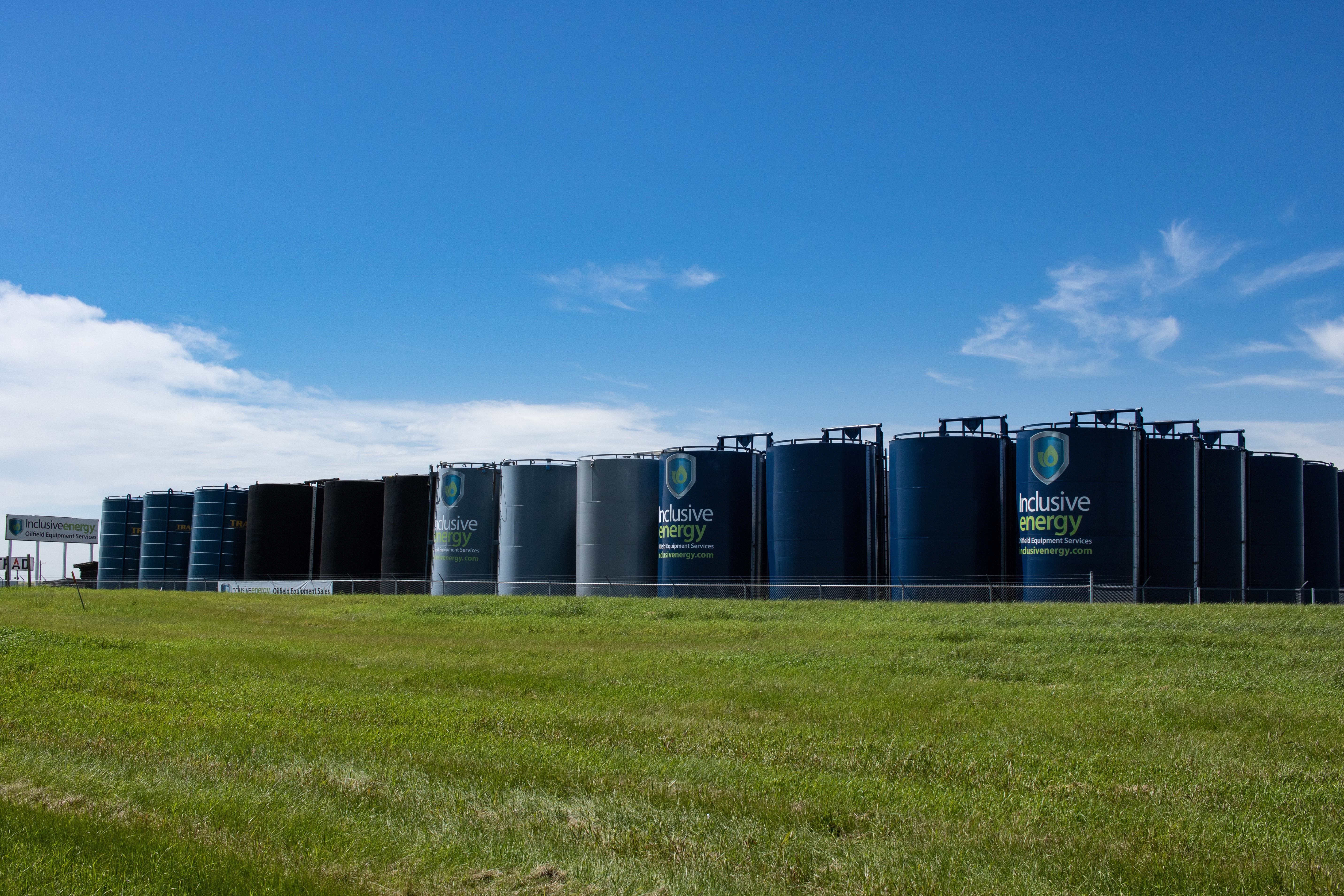
Finally, always account for the downstream storage capacity. Ensure your separator is matched to the throughput of your tank battery, whether those tanks are 100, 400, 750, or even 2000 BBL units. A mismatch here leads to frequent high-level alarms and production shutdowns.
By carefully evaluating your production rates, fluid chemistry, and site-specific environmental requirements, you can select a separator package that maximizes recovery and reliability. If you are unsure whether your current operation requires an upgrade, our team at Inclusive Energy Ltd. can provide expert guidance on selecting the right skidded package to meet your specific field needs.