
Frac Tank Rental vs. Purchase: Determining the Economic Path for Your Project
Deciding between renting or buying frac tanks? Our guide helps oilfield operators weigh operational costs, equipment flexibility, and long-term project viability.
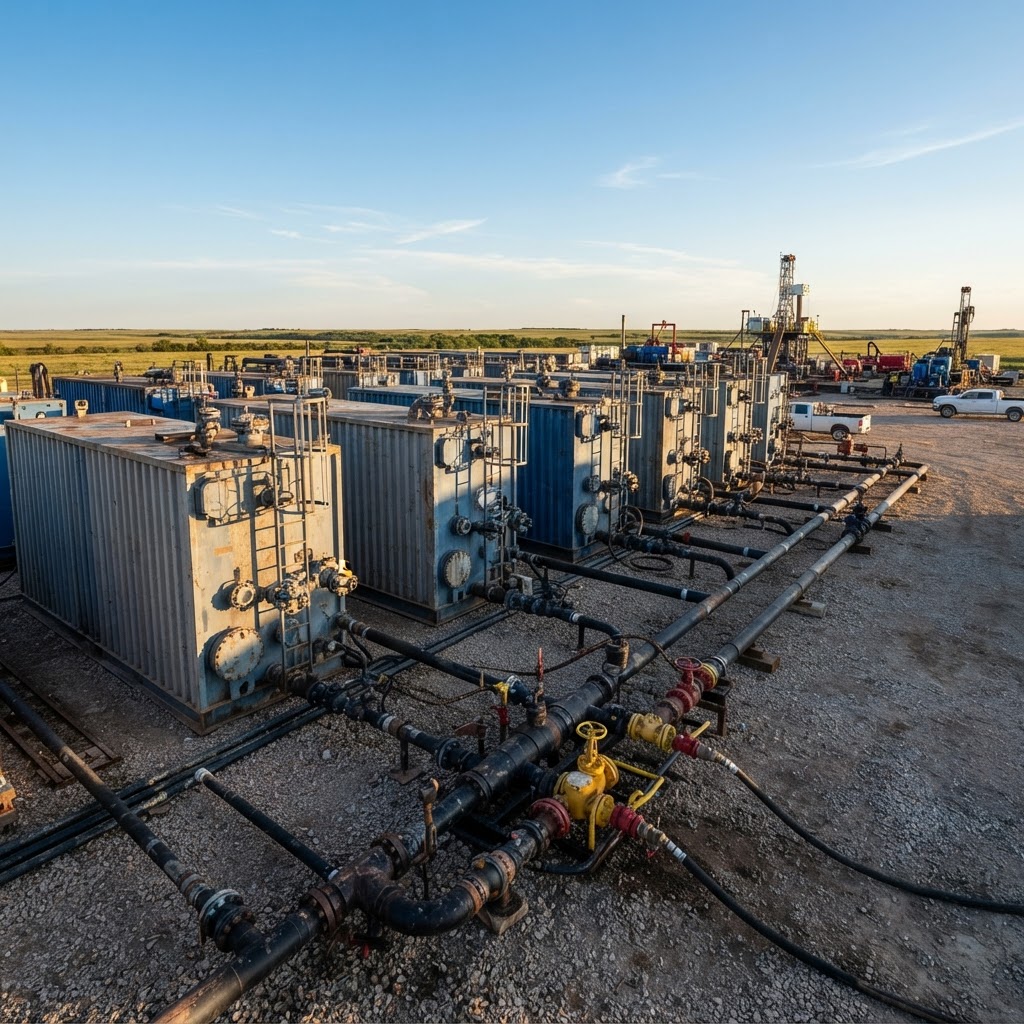
For oilfield operators and site managers, the decision to rent or purchase frac tanks is rarely a simple calculation. Whether you are managing hydraulic fracturing operations, fluid storage, or waste management, selecting the right equipment strategy impacts both your immediate cash flow and long-term operational efficiency. At Inclusive Energy, we provide a wide range of frac tank solutions, from standard 400 BBL units to specialized configurations, and understanding the economic landscape of your project is critical.
When evaluating a purchase, the primary advantage is long-term asset control. Owning your inventory allows you to customize units to your exact specifications. If your operations consistently require sour service environments, internal linings for chemical compatibility, or specific insulation packages, buying ensures the equipment is perfectly calibrated for your site. Purchasing is often the most economical route for long-term drilling campaigns where equipment stays on-site for years. You avoid the cumulative cost of monthly rental invoices and eliminate the logistical headache of recurring delivery and return fees. However, ownership shifts the burden of maintenance, inspections, and compliance with local environmental regulations entirely to your team.
Rental, on the other hand, offers unmatched operational agility. The oil and gas industry is defined by volatility; project scopes can change in an instant due to market fluctuations or regulatory shifts. Renting allows you to scale your capacity without the heavy upfront capital expenditure associated with acquiring new or refurbished equipment. If your project requires high-pressure rated vessels, specialized EnviroVault spill containment, or specific thief hatch configurations for a temporary completion phase, rental fleets offer immediate access to the necessary tech. This flexibility ensures you are not stuck with idle equipment that depreciates while sitting in a yard between jobs.
Key technical factors also play a massive role in the rent versus buy equation. You must consider the specific design pressure, often measured in ounces, and whether you need skidded or wheel-mounted configurations for ease of mobilization. Whether your project handles sweet or sour crude affects the materials required for piping and valves to meet API standards. If you are operating in sensitive environmental zones, you might require double-wall tanks for leak detection, which carry a premium price point if purchased outright. Renting allows you to deploy these high-spec units only when mandated by the job requirements, keeping your capital free for other core business needs.
Ultimately, the choice comes down to your project timeline and equipment utilization rate. If you have a multi-year development plan with predictable fluid handling needs, the total cost of ownership over the life of the asset typically favors purchasing. If your operations involve transient projects or you need to rapidly pivot from 400 BBL units to larger storage solutions, rental is the clear winner for maintaining a lean balance sheet. Regardless of your path, working with a supplier that maintains rigorous inspection schedules and offers a diverse range of configurations—from standard models to specialized firetube and heating setups—is the best way to ensure project success. At Inclusive Energy, we help operators navigate these options to ensure the equipment on your site supports your bottom line as effectively as your production goals.

Inclusive Energy is proud to partner with the Calgary Police Youth Foundation, supporting youth crime prevention, education, and early intervention programs. Learn more